
Your Longevity Foundation: Strength, Muscle, and VO₂ Max

In our quest for a long and vibrant life, we often fixate on factors like genetics, diet, or disease avoidance. But scientific insight—from longevity experts—reveals that three physical fitness markers stand out as especially powerful predictors of how well (and how long) we’ll live: strength, muscle mass, and VO₂ max
1. Strength: The Foundation of Independence
Strength isn’t just about lifting heavy—it’s one of the strongest predictors of longevity and functional independence. Studies show that even grip strength alone beats commonly cited factors like blood pressure in forecasting mortality risk.
Strong legs offer mobility and protection against falls, a major hazard for older adults, while robust strength helps your body bounce back faster from illness or injury.
Practical steps to build strength:
Emphasise compound resistance training (e.g., squats, deadlifts, presses).
Use grip-focused exercises like farmer’s carries, pull-ups, or dead hangs.
Progressively increase weights or resistance to keep growing stronger.
2. Muscle Mass: Your Metabolic Safety Net
Muscle isn’t only about aesthetics—it’s a metabolic buffer. Higher muscle mass enhances insulin sensitivity, reduces inflammation, strengthens immune function, and serves as a critical protein reserve in recovery from illness
Supporting this, a major study found that older adults with the greatest muscle mass relative to height had significantly lower all-cause mortality than those with the least PMC.
How to preserve and build muscle:
Aim for adequate intake of protein per kilogram of bodyweight daily.
Strength-train with a focus on hypertrophy – 6-12 reps per set.
Stay consistent: muscle preservation is a long-term commitment.
3. VO₂ Max: The Heart of Longevity
VO₂ max, your body’s maximum oxygen uptake, is a powerful survival indicator. Higher cardiorespiratory fitness correlates with lower all-cause mortality and better cognitive and metabolic outcomes
While VO₂ max naturally declines with age, regular cardio training, especially zone 2 endurance work and high-intensity interval training (HIIT), can slow that decline significantly
Boosting your VO₂ max:
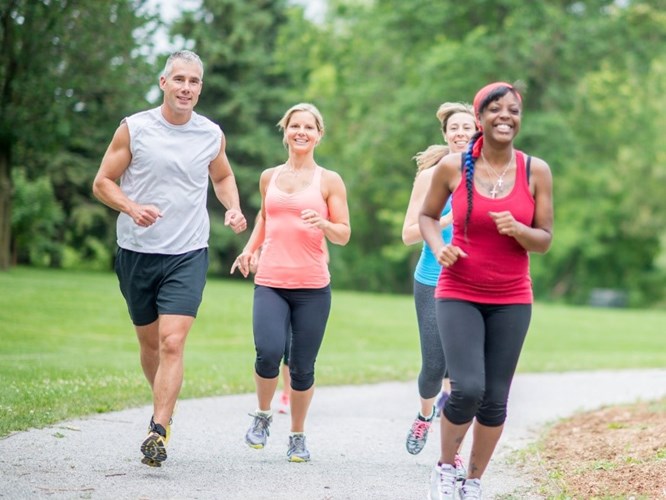
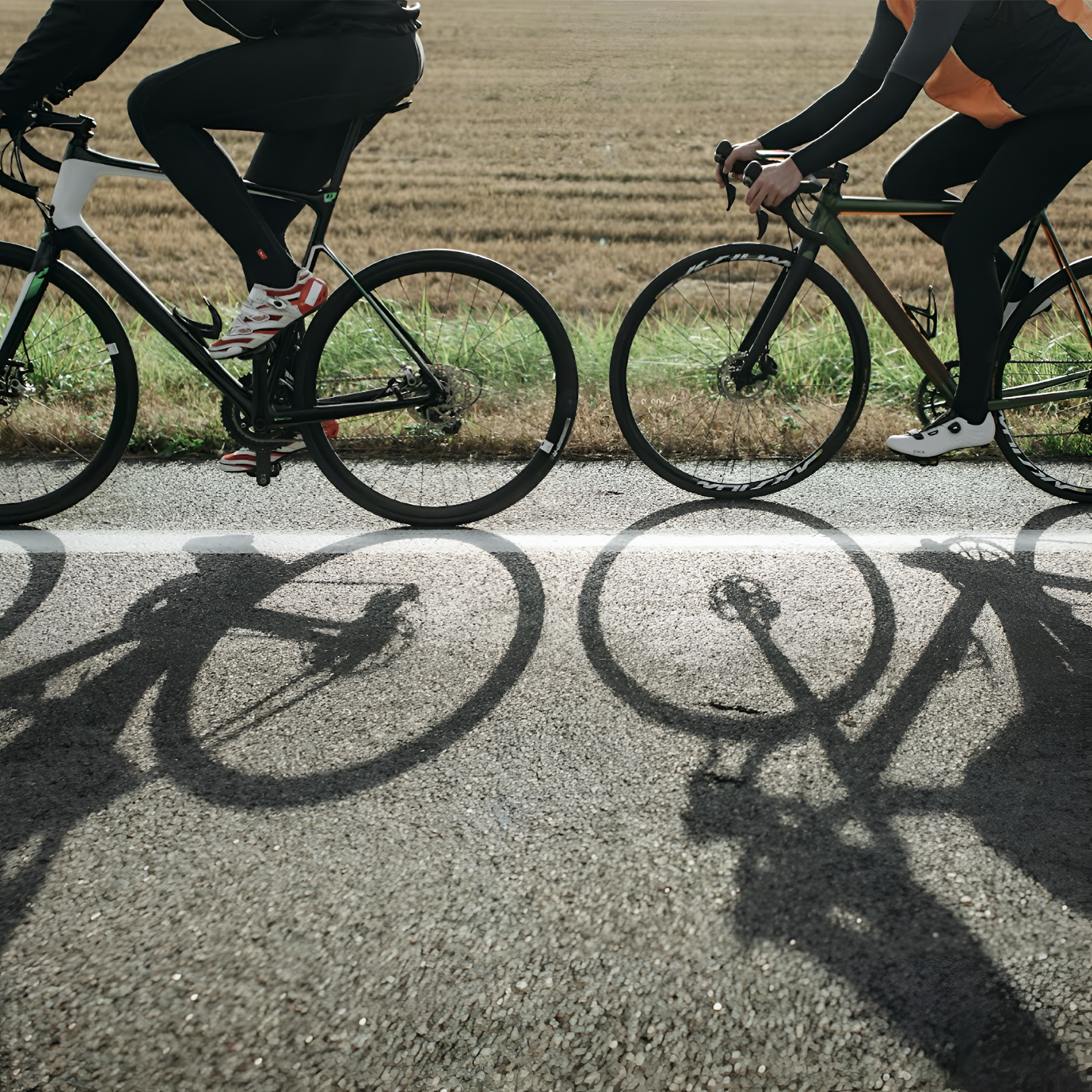
Engage in steady, moderate aerobic sessions (long runs, cycling, rowing).
Add HIIT: e.g., 30 seconds intense effort followed by 90 seconds of rest.
Aim for 150–180 minutes of combined aerobic training each week.
The Bottom Line: Train for the Decades Ahead
Longevity isn’t just about adding years. It’s about adding quality to those years. By prioritising strength, muscle mass, and VO₂ max, you’re investing in a body that doesn’t just endure, but thrives, for decades to come
Key takeaways:
Strength = independence, resilience, reduced mortality risk.
Muscle mass = healthier metabolism, faster recovery, and survival advantage.
VO₂ max = stronger heart, sharper mind, and extended lifespan.
Start creating your future today – your future self will be grateful.